
A lot of digital products don't become frustrating because of one bad feature. They become frustrating because of accumulation. Feature after feature. Flow after flow. Page after page. Team after team. Until eventually, navigation feels chaotic, onboarding becomes overwhelming, interfaces feel mentally exhausting, and users hesitate more than they should.
Not because the product lacks functionality. But because nobody stepped back to design the system behind it.
The Feature Trap
A common pattern in digital products is reactive growth. A stakeholder requests a feature. A new page gets added. A new user flow appears. Another integration gets layered into the experience. Individually, every decision often makes sense.
But over time, products slowly become collections of disconnected solutions instead of one coherent experience. And users notice that immediately — even when they can't explain why.
That's the tricky part about UX friction: people rarely say "your information architecture lacks systemic consistency." They say:
- "This feels confusing."
- "I don't know where to look first."
- "Why are there so many options?"
- "This feels exhausting."
The problem often isn't visual. It's structural.
UX Is More Than Interfaces
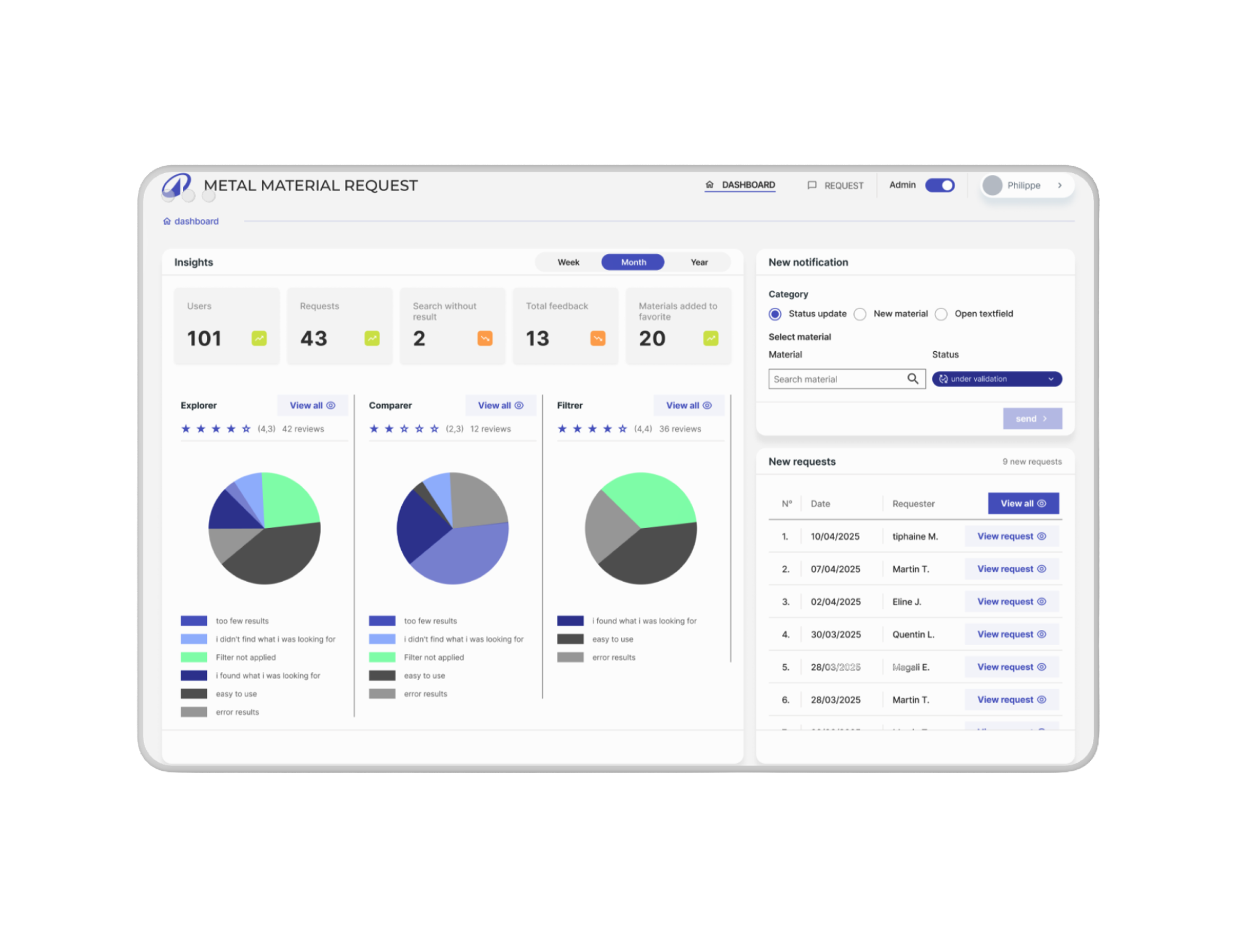
A lot of teams still treat UX as an interface layer — cleaner visuals, better buttons, modern layouts, smoother animations. But some of the biggest UX problems start much deeper: unclear hierarchy, duplicated pathways, inconsistent navigation, fragmented logic, cognitive overload, competing priorities.
💡 An interface can look beautiful while the experience itself still feels mentally heavy. Because users don't only look at interfaces. They process them.
And the more complexity accumulates underneath the surface, the more friction users feel — even if every individual screen technically "works."
Systems Thinking Changes the Questions
Teams focused only on features usually ask: "How do we add this?" Systems thinking asks: "How does this affect the entire experience?"
That difference changes everything. Because suddenly UX becomes about prioritisation, structure, relationships between flows, mental models, predictability, scalability, consistency, and clarity.
Instead of designing isolated screens, you start designing connected experiences. And that's where many digital products start improving dramatically — not because they added more, but because they reduced unnecessary complexity.
Accessibility Is Also a Systems Problem
Accessibility is often misunderstood as a final checklist: something you validate after design and development are already finished. But many accessibility issues are actually symptoms of deeper systemic problems: unclear navigation, overwhelming interfaces, inconsistent interactions, hidden functionality, unclear hierarchy, cognitive overload.
That's why inclusive UX cannot exist without systems thinking. Because accessibility is not only about whether users can technically use something. It's also about how much effort the experience requires. Good accessibility reduces friction before users even notice it.
The Best UX Decisions Often Happen Before Figma
Some of the most impactful UX work happens long before a designer opens Figma. It happens during workshops, research, mapping systems, simplifying user flows, aligning priorities, removing unnecessary complexity, and defining structure.
Because good UX is rarely the result of adding more layers. It's usually the result of making the system behind the product clearer.
🔍 Wondering where your product's system breaks down?
We map the structural friction in digital products — and help teams fix the right things in the right order.
Get in touch →One Continuous Journey
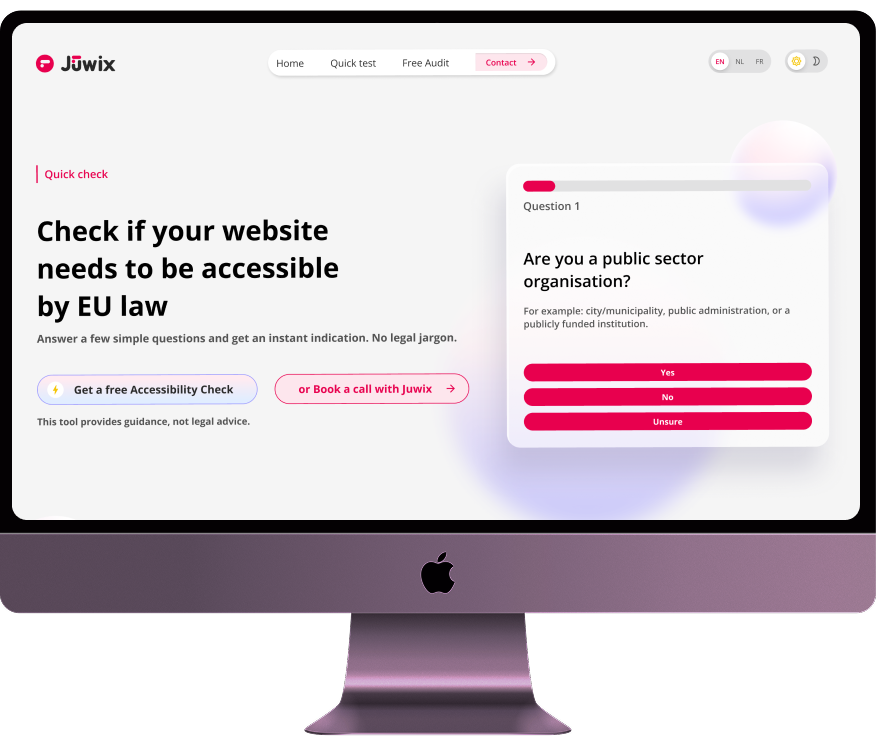
At Juwix, that's how we approach digital experiences: not as isolated screens or features, but as connected systems shaped around real human behaviour. Because users don't experience products feature by feature. They experience one continuous journey.
And when the system behind that journey makes sense… everything starts feeling simpler.